How to Choose an AI Writing Tool in 2026
A practical framework for picking the right AI writing tool — without paying for features you don't need. Covers use cases, pricing models, and red flags to avoid.

On this page
The AI writing tool market is crowded and confusing. Most tools claim to do everything. Most reviews are affiliate-driven listicles. This guide cuts through the noise with a decision framework based on your actual use case.
Step 1: Define what “writing” means for you
AI writing tools are optimized for very different jobs. Before comparing features, answer this:
What are you primarily writing?
- Long-form blog and SEO content → You need a tool with SEO integrations (Surfer SEO, Frase) or at minimum a document editor with good prompt memory.
- Marketing copy at scale (ads, emails, social captions) → You need a tool with templates and a brand voice layer.
- General writing assistance (editing, brainstorming, email drafts) → A general AI assistant like ChatGPT or Claude is often more cost-effective than a dedicated writing tool.
- Short-form copy (product descriptions, taglines) → Budget tools like Rytr or Writesonic’s free tier may be sufficient.
Most people overpay because they buy a “full-featured” writing platform when they only need one of these jobs done.
Step 2: Match the tool to the use case
| Use case | Best fit | Why |
|---|---|---|
| SEO blog content | Jasper + Surfer SEO | Native integration, content score, brand voice |
| Marketing copy at scale | Jasper or Copy.ai | Templates, GTM workflows, high volume |
| Sales emails and outreach | Copy.ai | Purpose-built for GTM teams |
| General writing + editing | ChatGPT or Claude | Breadth, flexibility, free tiers |
| Budget content creation | Writesonic or Rytr | Lower cost, free plans |
| Newsletter content | beehiiv (with AI features) | Platform + writing combined |
Step 3: Evaluate the free plan honestly
Most AI writing tools have free plans — but they vary enormously in usefulness.
Worth testing before paying:
- ChatGPT free (GPT-4o mini) — genuinely capable for most writing tasks
- Copy.ai free — 2,000 words/month, enough to test the workflow
- Writesonic free — 10,000 words/month, useful for light users
- Rytr free — 10,000 characters/month
Not worth evaluating from the free plan:
- Jasper — no free plan; use the 7-day trial before committing $39+/month
- Surfer SEO — no free plan; $1 trial gives real access
Rule of thumb: If a tool’s free plan isn’t useful enough to let you evaluate whether you’d pay for it, that’s a red flag.
Step 4: Watch for these pricing traps
Word/character limits that reset monthly — Many tools count every input token plus output token toward your “words” limit. A 500-word article might burn 1,500+ words from your plan.
“Unlimited” plans with fair use clauses — Read the fine print. Most “unlimited” AI writing plans have fair use limits that kick in at high volume.
Annual billing auto-renewal — AI writing tools love annual billing for the discount. Make sure you understand the cancellation window and refund policy before paying for a year.
Features locked on base tiers — Brand voice, team seats, and SEO integrations are often reserved for higher plans. Confirm the features you actually need are on the plan you’re considering.
Step 5: Test with your real content type
Don’t evaluate an AI writing tool with generic prompts. Test it with:
- A real blog topic in your niche
- A real product or service you write about
- Your actual target audience and tone
A tool that produces good output for generic prompts may fail badly on your specific niche, technical vocabulary, or required tone.
The honest answer for most people
For most individuals and small teams, ChatGPT Plus ($20/mo) covers 80% of AI writing needs at the lowest cost. It lacks writing-specific templates and SEO integrations, but it’s genuinely more capable than most dedicated writing tools for draft quality.
Upgrade to a dedicated tool like Jasper or Surfer SEO when:
- You produce high volumes of content regularly (4+ pieces/week)
- You need consistent brand voice across a team
- SEO optimization is a core requirement of your content workflow
Quick decision guide
Solo blogger, occasional content?
  → ChatGPT free or Plus

Freelance copywriter, varied clients?
  → ChatGPT Plus + Grammarly

Content team, SEO focus?
  → Surfer SEO + Jasper (or Frase on a tighter budget)

Marketing team, campaigns at scale?
  → Jasper (brand voice is the key feature)

GTM/sales team, outreach sequences?
  → Copy.ai

Budget-first, just getting started?
  → Writesonic free tier or Rytr
See our AI Writing Stack for a complete workflow guide.
Tools to check next

ChatGPT
ChatGPT is a general-purpose AI assistant best for individuals and teams who need a broad, capable tool for writing, coding, research, and agentic workflows across one subscription. Its free tier now shows ads in some regions and has tighter usage limits than paid tiers.
Jasper
Jasper fits marketing teams that need repeatable, on-brand campaign content rather than a general chatbot for one-off writing. It makes the most sense when brand voice, content workflow, and team review matter more than the lowest monthly price.
Copy.ai
Copy.ai fits best as a go-to-market writing and workflow layer for sales and marketing teams. It is less compelling as a cheap solo blog writer if all you need is a basic drafting assistant.
Writesonic
AI search visibility and content platform for brands and agencies
Rytr
Use Rytr when you need a low-cost AI writing assistant for short-form copy, captions, emails, outlines, and quick rewrites. It is easier to justify than heavier marketing suites when budget matters more than deep content operations.
Related guides
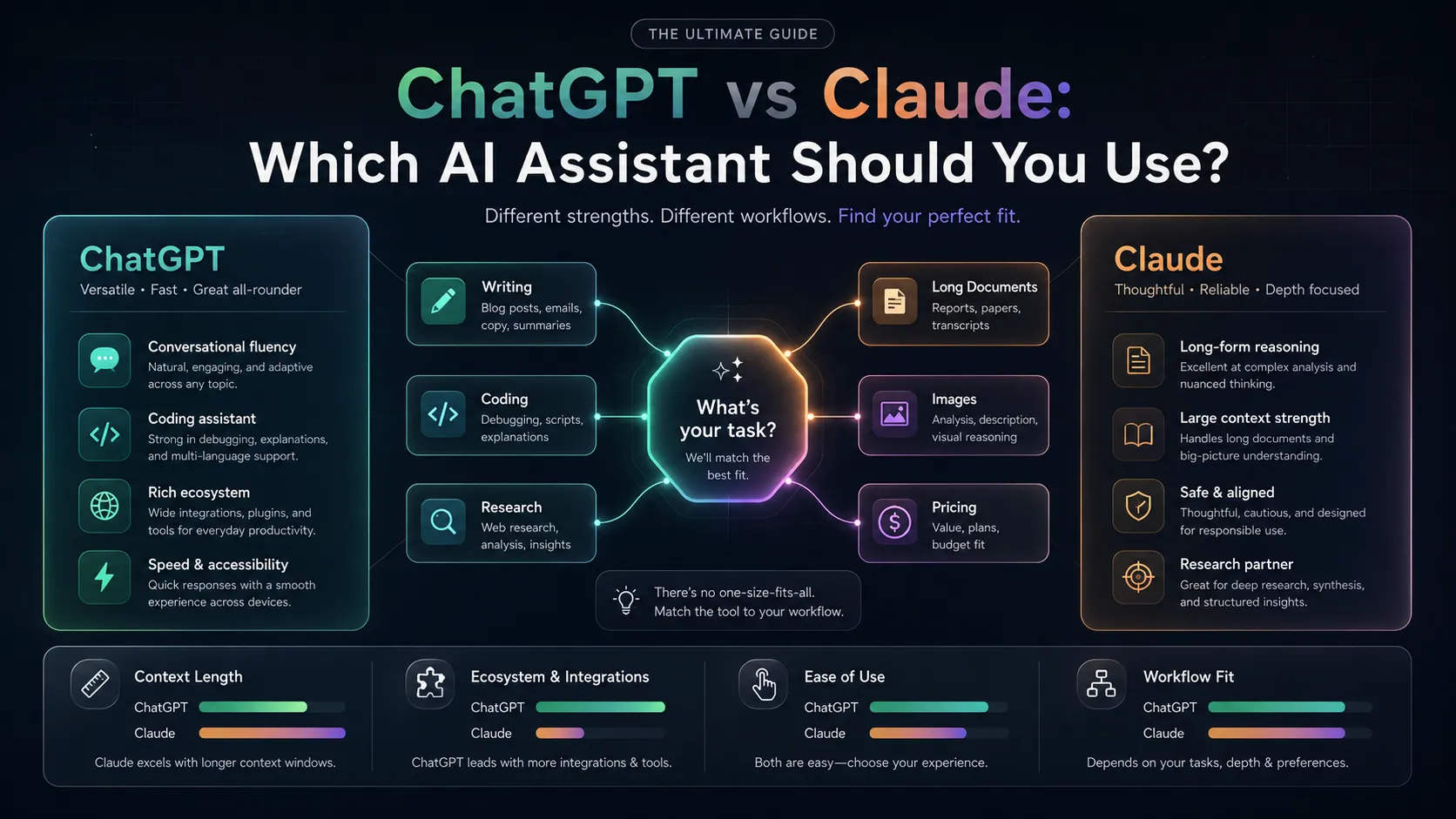
When to Use ChatGPT vs Claude: A Task-Based Guide
A task-based guide to when ChatGPT or Claude fits better for writing, coding, research, image generation, long documents, and everyday AI workflows.
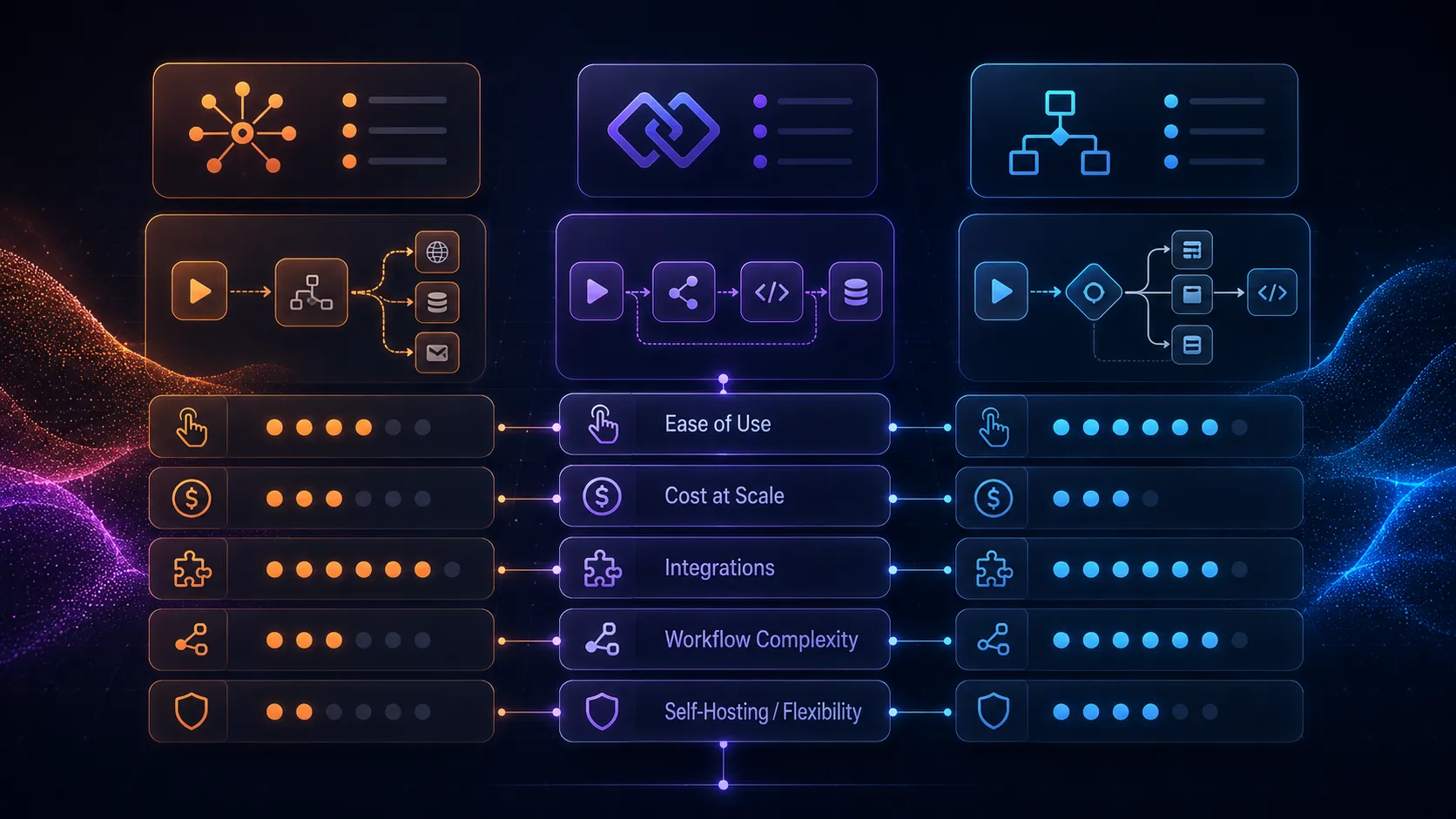
How to Build an AI SEO Content Stack
Step-by-step guide to building a complete AI workflow for SEO content — from keyword research to published, optimized article. Covers tool selection, workflow sequence, and what to do manually.

How to Use AI Tools for Affiliate Marketing
A practical guide to using AI tools across every stage of an affiliate marketing workflow — keyword research, content creation, SEO optimization, and email list building. Includes a real tool stack.